
Product growth / Engineering guide
What Makes Content Go Viral? Dao Nguyen's Lesson for Product Growth Teams
Learn why content goes viral through Dao Nguyen’s TED talk, then connect audience behavior to product growth, experimentation and engineering capacity.
A viral moment can introduce a product to thousands of people, but attention alone is not a durable acquisition strategy. The interesting question for a software company is what happens after someone shares, clicks, signs up or brings a colleague into a workflow.
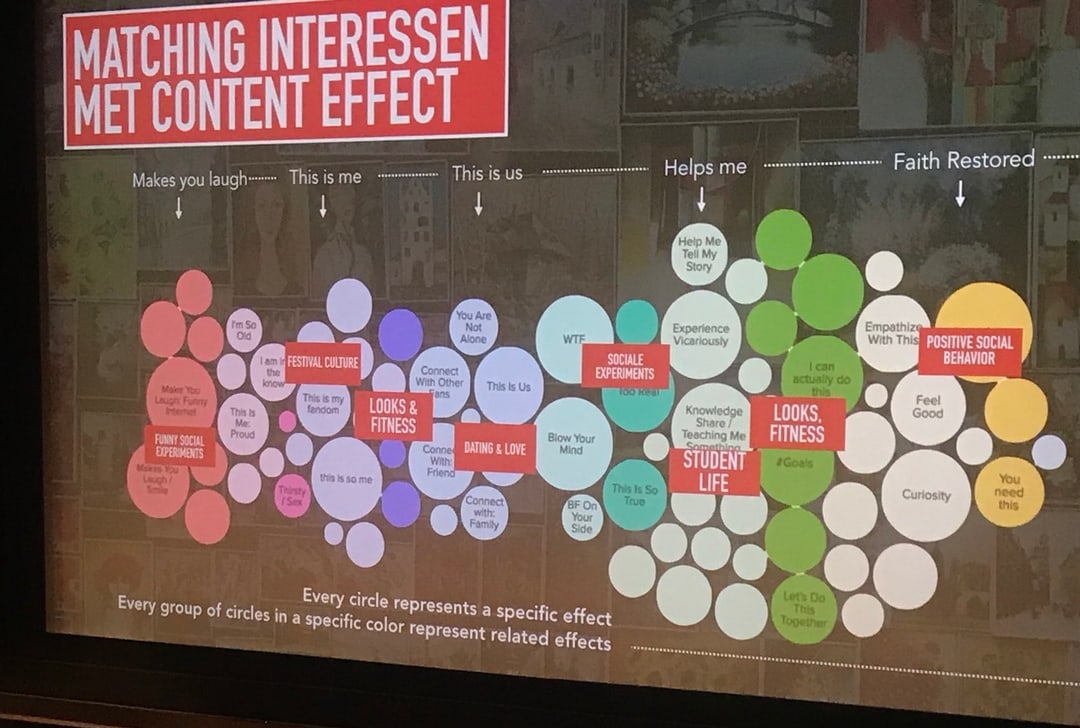
In her 2017 TED talk, BuzzFeed publisher Dao Nguyen challenged the notion that virality comes primarily from a catchy format. She argued that teams should understand the job content performs for its audience: helping people laugh, express their identity, learn something or connect with others. That makes a useful foundation for product-led growth, even though the talk is about media rather than software infrastructure.
Start with the job the audience wants to complete
Before testing acquisition channels, write down the customer situation and the action that would create value. If the product is a B2B collaboration platform, users might invite a colleague to complete work together. If it is a developer tool, users may share a working example that helps another engineer overcome a real obstacle.
Design the experience around that motivation instead of adding a generic referral button to every page. A share-worthy feature is useful even when no promotion follows.
A viral campaign is not a growth system
A growth system connects awareness to a meaningful product event. Instrument the journey carefully: referral visits, qualified signups, activation events, invited collaborators, retained teams and sales conversations. Use privacy-conscious analytics and clear event definitions; vanity pageviews are not a substitute for product adoption.
The core engineering questions are practical. Does the landing page withstand a traffic surge? Can signups and email verification recover after errors? Are experiments assigned consistently? Can analytics tell acquisition from genuine activation? Is the data trustworthy enough to inform the next decision?
A realistic experiment backlog
Start with one user need, a measurable hypothesis and a low-risk implementation. For example: offer a shareable artifact after a completed workflow and measure whether recipients activate. Compare a test group with a control where appropriate, and inspect quality signals as well as volume.
Do not promise that any technique can reliably make content viral. The goal is to learn why the product is useful enough that customers return or recommend it.
Where specialist engineers help
An internal product and growth team should own the user problem, value proposition and experiment interpretation. Staff augmentation can contribute a frontend engineer for the sharing experience, a backend engineer for reliable referral and identity flows, or a data engineer for trustworthy event pipelines. A growth marketer alone cannot fix broken activation instrumentation or an unstable onboarding flow.
At Onectus, we can add specialist engineering capacity to your existing team while you retain control over positioning and product decisions. For wider platform changes, explore software engineering services.


