
Software engineering / Engineering guide
Interactio and the Engineering of Reliable Multilingual Meetings
How Interactio illustrates remote interpretation platform design, real-time streaming, latency, reliability and specialist engineering teams.
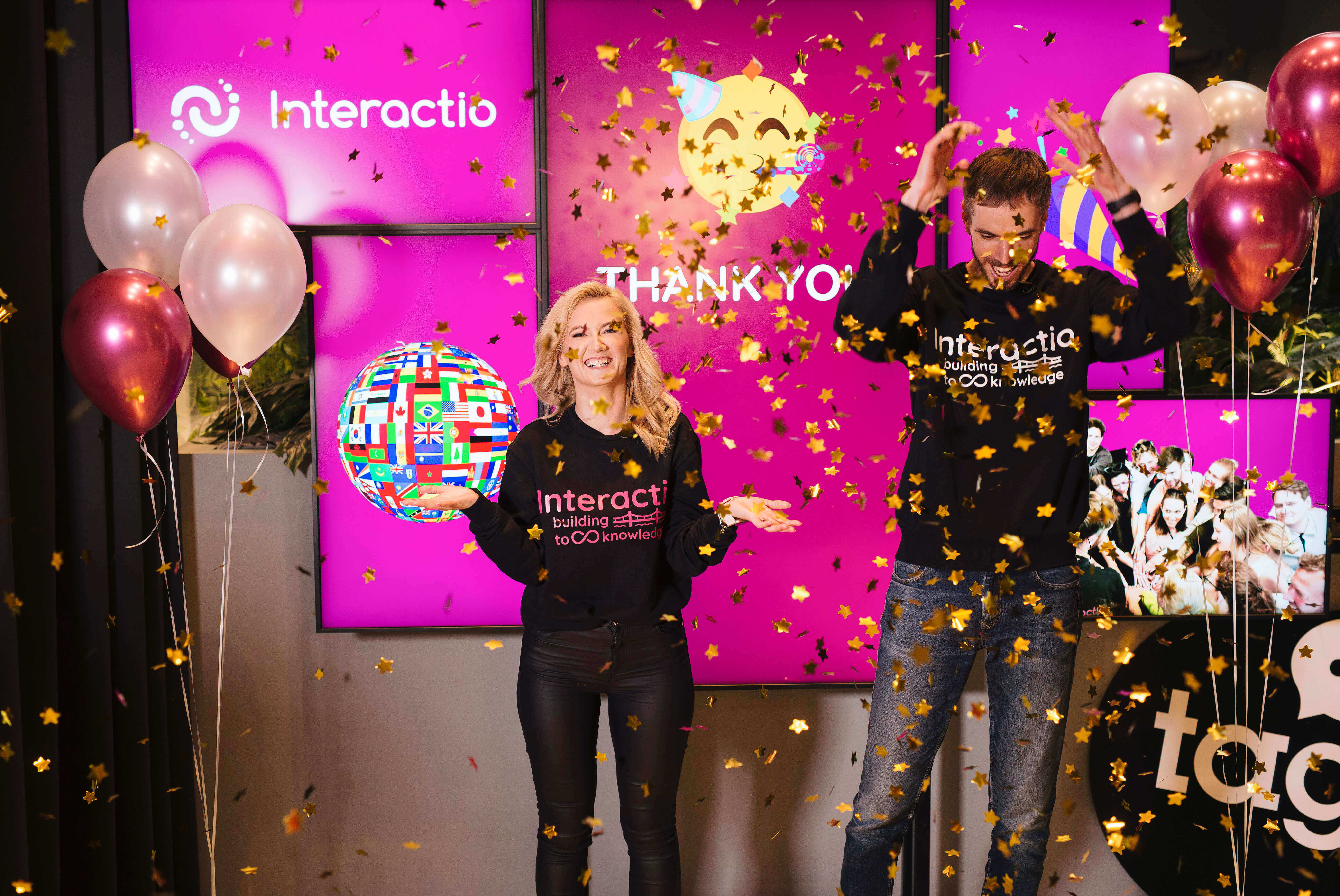
A multilingual meeting product brings together users who do not share the same language, location or network conditions. An interpretation stream needs to arrive at the right listener at the right moment; failures can disrupt a discussion even when the video itself still works.
Interactio is a useful example of this category. Its publicly documented platform supports multilingual events with human interpretation, AI translation and hybrid meeting workflows. That combination shows why these products require coordinated frontend, realtime backend, quality assurance and operations work.
What the platform has to coordinate
Consider a participant joining an event and choosing a language channel. The product must associate the participant with the correct session, enforce permissions, surface the available audio tracks, and recover from network changes without putting the participant in the wrong channel.
Human interpreters also need carefully designed handovers and monitoring. For hybrid meetings, the system may integrate in-room equipment with remote audio and video. Accessibility, consent and security are product requirements, not optional extras.
Latency, reliability and human operations
Realtime media systems face packet loss, jitter, intermittent connectivity and device differences. Quality assurance must examine actual meeting workflows: interpreter changes, browser permissions, channel changes, mobile devices and failure recovery.
A real service-level plan should distinguish media transport metrics from user outcomes. A low average latency is not reassuring if a subset of listeners experiences repeated audio dropouts. Test worst-case conditions and consider appropriate escalation to human support.
The presence of AI translation does not remove the need for explicit language quality testing and user control. Regulated or high-stakes meetings may require qualified human interpreters and clear choices between modes.
How an engineering team should be organized
Product managers define the meeting experience and acceptance criteria. Backend engineers own session state and integration reliability. Realtime media specialists address stream transport and quality. Frontend engineers build accessible, interruption-tolerant interfaces. QA and cloud engineers verify complex device combinations and observability.
For a company with an existing core product team, staff augmentation can add targeted realtime, backend, mobile or cloud expertise without transferring the product roadmap. Give each external specialist an internal owner, clear incident responsibilities and a handover plan.
From engineering complexity to delivery capacity
If your multilingual, video or realtime product needs specialist contributors, discuss staff augmentation with Onectus. For coordinated end-to-end delivery, see dedicated engineering teams. The objective is a product that works across its real operational conditions—not merely an impressive demonstration.


